Authenticity at the Interview Table: When Cultural Expression Meets Corporate Expectations
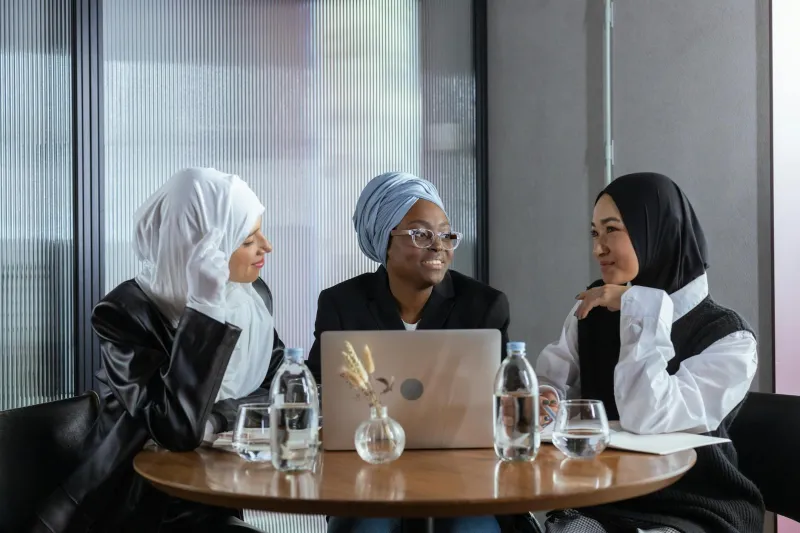
The morning of her apprenticeship interview at a prestigious London law firm, Fatima Al-Rashid stood before her mirror facing a decision that thousands of BAME candidates confront annually. Should she wear her hijab—an integral part of her identity—or would removing it increase her chances of securing the position?
"My mum suggested I consider going without it, just for the interview," Fatima recalls. "She worried they might make assumptions about my flexibility or commitment. But I realised that if they couldn't accept me as I am from day one, what would the next three years look like?"
Fatima's dilemma illuminates a pervasive challenge within Britain's apprenticeship recruitment landscape: the unspoken tension between authentic self-expression and perceived professional acceptability.
The Unwritten Dress Code Dilemma
Across industries, BAME apprenticeship candidates navigate complex calculations about visibility and acceptance. Research from the Equality and Human Rights Commission indicates that 43% of BAME job applicants have modified their appearance for interviews, compared to just 12% of white candidates.
The pressure extends beyond religious considerations. Aisha Williams, now a successful engineering apprentice at Rolls-Royce, remembers deliberating over her natural hair texture. "I'd straightened my hair for every job interview since I was sixteen. When I finally decided to wear my hair naturally to an apprenticeship interview, my hands were literally shaking."
These seemingly personal choices reflect broader systemic issues within recruitment practices. Many traditional corporate environments maintain unstated appearance norms that can inadvertently exclude or discourage diverse candidates.
The Invisible Gatekeeping Mechanism
Dr. Raj Patel, whose research at the London School of Economics examines recruitment bias, argues that appearance-based discrimination functions as a subtle but powerful filtering mechanism. "We've largely eliminated explicit bias from job descriptions and interview questions," he explains. "But implicit expectations about 'professional appearance' can achieve the same exclusionary effect."
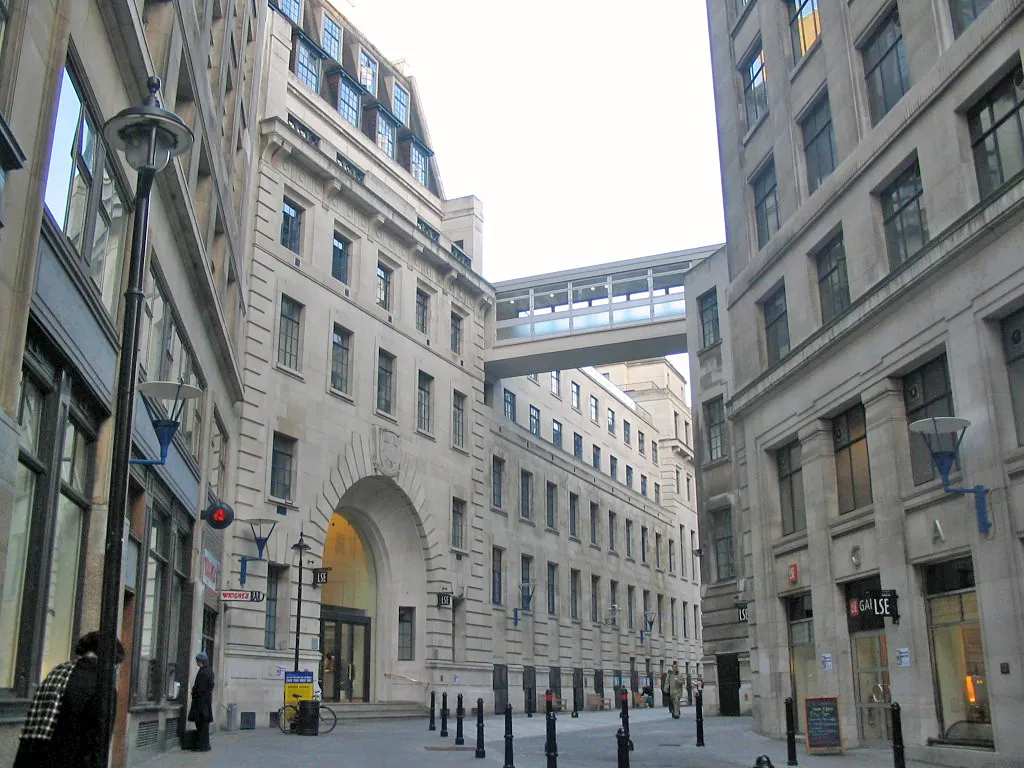 Photo: London School of Economics, via d.ibtimes.co.uk
The challenge is particularly acute for apprenticeships, where candidates often lack extensive professional networks to provide guidance about industry-specific expectations. Unlike graduate recruits who may have access to career services or alumni networks, many apprentice candidates navigate these decisions in isolation.
Consider the experience of Harpreet Singh, whose turban is central to his Sikh faith. When applying for apprenticeships in financial services, he encountered subtle but persistent concerns about client-facing roles. "One interviewer asked if I'd be 'comfortable' meeting with traditional clients. The implication was clear—my appearance might make others uncomfortable."
Industry Variations and Cultural Blind Spots
The degree of pressure varies significantly across sectors. Creative industries often celebrate diversity of expression, while traditional professional services maintain more conservative expectations. However, even within progressive sectors, unconscious bias can manifest in unexpected ways.
Media apprentice Kofi Asante discovered this when recruiters consistently praised his "urban" perspective while simultaneously suggesting he consider a "more neutral" accent for client presentations. "They wanted my insights about reaching diverse audiences, but only if I could package them in a way that felt safe for their existing client base."
The technology sector presents its own complexities. While generally more casual in dress expectations, subtle biases persist. Rania Hassan, a software development apprentice, found that her hijab prompted repeated questions about her technical capabilities—assumptions that male colleagues wearing religious symbols rarely faced.
Progressive Employers Leading Change
Fortunately, a growing number of employers recognise that authentic expression enhances rather than undermines professional excellence. These organisations are actively rewriting their approach to interview processes and workplace culture.
Jaguar Land Rover exemplifies this evolution. Their apprenticeship recruitment materials explicitly celebrate cultural diversity, featuring candidates wearing hijabs, turbans, and natural hairstyles. "We want candidates to bring their whole selves to the interview," explains Diversity Manager Sarah Thompson. "Our research shows that authentic expression correlates with higher engagement and retention rates."
 Photo: Jaguar Land Rover, via cdn.motor1.com
The company has revised its interview training to address unconscious bias specifically related to appearance. Recruiters learn to recognise and challenge assumptions about professionalism that may exclude qualified candidates.
The Business Case for Authentic Expression
Beyond ethical considerations, embracing cultural expression delivers measurable business benefits. Companies with diverse leadership teams consistently outperform homogeneous competitors in innovation metrics and market expansion.
Linklaters, the international law firm, discovered this when they analysed their most successful client relationships. Partners who brought diverse perspectives—including those who visibly represented different cultural backgrounds—demonstrated superior performance in cross-cultural negotiations and international business development.
"Clients increasingly expect their legal advisors to reflect the diversity of their own organisations and customer bases," notes Senior Partner Michael Chen. "Our BAME apprentices bring authenticity to these relationships that can't be manufactured."
Practical Strategies for Candidates
While systemic change progresses, BAME apprenticeship candidates must navigate current realities strategically. Successful candidates recommend thorough research into company culture, seeking evidence of genuine commitment to diversity beyond marketing materials.
LinkedIn profiles of current employees can provide valuable insights into organisational norms. Companies that feature diverse staff in authentic professional contexts typically maintain more inclusive environments.
Networking events and industry associations offer opportunities to observe cultural norms firsthand. The Black Professionals Network, Asian Business Association, and similar organisations provide platforms for candid discussions about navigating professional environments authentically.
Redefining Professional Standards
The conversation extends beyond accommodation to fundamental questions about professional standards themselves. Why should straightened hair be considered more professional than natural textures? What makes a business suit more appropriate than a well-tailored kurta or hijab?
These questions challenge long-held assumptions about workplace appropriateness, forcing organisations to examine whether their standards serve legitimate business purposes or simply perpetuate historical biases.
Some companies are responding by developing more inclusive dress codes that explicitly welcome cultural expression while maintaining professional standards. Others are training managers to recognise and value diverse forms of professionalism.
The Ripple Effect of Authentic Representation
When BAME apprentices succeed while maintaining their cultural identity, they create powerful ripple effects throughout their organisations and communities. Younger candidates see reflected possibilities they might not have imagined otherwise.
"Seeing Fatima excel while wearing her hijab changed everything for me," explains Mariam Osman, who joined the same law firm two years later. "I knew I wouldn't have to choose between my faith and my career."
This representation extends beyond individual success stories to fundamental shifts in organisational culture. Companies that embrace authentic expression often find themselves better positioned to serve diverse client bases and expand into new markets.
Looking Forward: The Future of Professional Identity
As Britain's workforce becomes increasingly diverse, organisations that cling to narrow definitions of professionalism risk excluding exceptional talent. The apprenticeship pathway, with its emphasis on practical skills and real-world application, is uniquely positioned to challenge these outdated norms.
The most successful companies will be those that recognise cultural expression as a strength rather than a deviation from professional standards. They will understand that authenticity enhances rather than undermines professional excellence.
For BAME apprenticeship candidates, the message is increasingly clear: the right employer will value your authentic self from day one. The challenge is finding those employers and supporting the systemic changes that make authentic expression the norm rather than the exception.
The future of British business depends on organisations that can harness the full potential of their diverse workforce. This transformation begins at the interview table, with the simple recognition that professional excellence comes in many forms.