The Silent Sabotage: Decoding Workplace Microaggressions That Block BAME Apprentice Success

The Whispered Wounds That Echo Loudest
In the polished corridors of Britain's leading companies, a different kind of discrimination is quietly destroying careers. It doesn't announce itself with inflammatory language or obvious bias. Instead, it operates through raised eyebrows, surprised compliments, and seemingly innocent questions that collectively construct an invisible ceiling above BAME apprentices.
Microaggressions—those brief, everyday exchanges that communicate hostile or derogatory messages to members of marginalised groups—represent the modern face of workplace discrimination. Unlike their overt predecessors, these subtle behaviours are harder to challenge, document, or address through traditional HR channels.
"The apprentice who's constantly asked where they're 'really' from, or whose ideas are systematically overlooked until repeated by white colleagues, faces a death by a thousand cuts," explains Dr Priya Sharma, workplace psychology researcher at Manchester Business School. "Each incident seems trivial in isolation, but the cumulative effect is devastating."
 Photo: Manchester Business School, via art-facts.com
The Compound Effect of Subtle Discrimination
Recent analysis of apprenticeship completion rates reveals a troubling pattern. Whilst 89% of white apprentices successfully complete their programmes, completion rates for Black apprentices hover at 76%, with similar disparities affecting Asian and other minority ethnic groups. Traditional explanations—academic preparation, family support, or financial pressures—fail to account for this persistent gap.
The answer lies in understanding how microaggressions compound over time. Each instance of having their competence questioned, their cultural background tokenised, or their achievements attributed to diversity initiatives rather than merit, chips away at apprentices' confidence and sense of belonging.
Amara Johnson, a Level 4 apprentice in digital marketing at a major London agency, describes her experience: "It's not the big moments that nearly made me quit—it's the constant stream of 'compliments' about how articulate I am, the surprise when I demonstrate technical knowledge, the way my manager introduces me as 'our diversity hire' to clients. Each comment makes me question whether I truly belong here."
Mapping the Microaggression Landscape
Workplace microaggressions against BAME apprentices typically manifest in predictable patterns:
Competence Questioning: Expressing surprise at high-quality work, repeatedly asking for additional verification of skills, or attributing success to external factors rather than ability.
Cultural Tokenism: Being asked to represent entire ethnic communities in meetings, having cultural celebrations reduced to food and festivals, or facing pressure to educate colleagues about diversity.
Identity Invalidation: Persistent questions about background or origins, mispronunciation of names despite correction, or assumptions about religious or cultural practices.
Professional Diminishment: Being excluded from informal networks, having ideas overlooked until repeated by white colleagues, or facing different standards of evaluation.
The Psychological Architecture of Harm
The impact extends far beyond momentary discomfort. Research by the University of Birmingham's Centre for Workplace Inclusion reveals that BAME apprentices experiencing regular microaggressions show measurably higher stress hormones, decreased job satisfaction, and reduced career ambition within just six months of programme commencement.
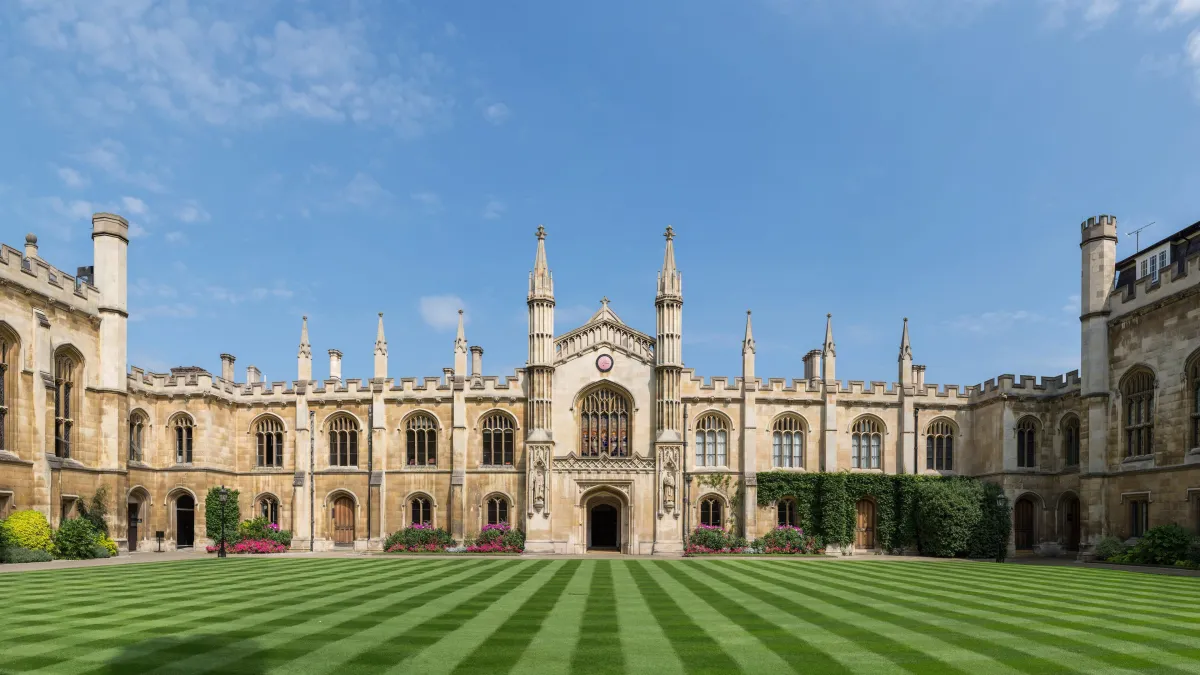 Photo: University of Birmingham, via wallpapercave.com
"Microaggressions activate the same neurological stress responses as physical threats," notes Dr James Okafor, occupational psychologist. "When apprentices spend mental energy constantly navigating these interactions, less cognitive resource remains for learning and skill development."
The ripple effects are profound. BAME apprentices subjected to frequent microaggressions are 40% more likely to consider leaving their programmes early, 35% less likely to pursue leadership development opportunities, and significantly more prone to imposter syndrome—that persistent feeling of being a fraud despite evident competence.
Beyond Recognition: Building Genuinely Inclusive Environments
Addressing microaggressions requires more than diversity training or awareness sessions. Forward-thinking employers are implementing comprehensive frameworks that tackle the issue systematically:
Behavioural Accountability: Leading organisations like Rolls-Royce and Unilever have introduced specific microaggression reporting mechanisms that treat these incidents as seriously as other forms of workplace misconduct. Rather than dismissing concerns as oversensitivity, they investigate patterns and implement consequences.
Cultural Competency Integration: Rather than bolt-on diversity modules, progressive employers embed inclusive behaviour expectations into core management training. Supervisors learn to recognise their unconscious biases and develop skills for creating psychologically safe spaces.
Allyship Activation: Companies like BAE Systems have pioneered "active bystander" programmes that train all employees to recognise and appropriately challenge microaggressions in real-time, creating a culture where everyone takes responsibility for inclusion.
The Framework for Change
Employers serious about eliminating microaggressions must implement a four-pillar approach:
Assessment and Acknowledgement: Conduct honest audits of workplace culture, including anonymous surveys that specifically probe for microaggression experiences. Leadership must publicly acknowledge the problem's existence and commit to change.
Policy and Process: Develop clear policies defining microaggressions, establish reporting mechanisms that protect against retaliation, and create intervention protocols that address incidents constructively rather than punitively.
Training and Development: Invest in comprehensive training that goes beyond awareness to build practical skills. Focus on helping managers recognise their own biases and develop techniques for creating inclusive team dynamics.
Measurement and Accountability: Track meaningful metrics beyond basic diversity numbers. Monitor apprentice satisfaction, progression rates, and retention by ethnicity. Hold leaders accountable for creating inclusive environments through performance management systems.
The Competitive Advantage of Authentic Inclusion
The business case for addressing microaggressions extends far beyond moral obligation. Companies that successfully eliminate these barriers report higher apprentice satisfaction, improved retention rates, and enhanced innovation outcomes. When BAME apprentices feel genuinely valued and supported, they contribute their full potential rather than operating in survival mode.
"The organisations that crack this code first will have access to the full talent pool whilst their competitors continue to waste human potential," argues diversity strategist Sarah Hassan. "In an increasingly competitive labour market, authentic inclusion becomes a strategic differentiator."
The time for treating microaggressions as minor infractions has passed. These seemingly small interactions have major consequences for individual careers and organisational success. Employers who act decisively to address this invisible ceiling will find themselves rewarded with more engaged apprentices, stronger teams, and better business outcomes.
The question is not whether microaggressions exist in your workplace—research suggests they're virtually universal. The question is whether you'll choose to see them, address them, and transform your culture accordingly.